
Warm, real therapy for the moments life doesn't feel simple.
Offering OCD therapy and Self-Esteem therapy to clients across Ontario
When "I'm fine" isn't the whole story.
Maybe you feel like you should have this figured things out by now. Maybe everything seems fine from the outside, but internally, you’re struggling. Or maybe you're open about going through something hard and feel that you need professional support to navigate it.
Whatever brought you here, this is a space for real, honest work, without judgment. I work with adolescents, young adults and adults navigating OCD, anxiety, self-esteem struggles, relationship stress, grief and life transitions. My practice is fully virtual, so we can work together from wherever you are in Ontario.
Real Talk, Real Relationship
I believe the relationship we build together is the foundation of everything else. Research bears this out as well. The therapeutic relationship has been proven to be the single most important factor that determines success in therapy.
I'm warm, genuinely curious about people, and I can be funny and lighthearted too. Clients tell me they feel at ease with me quickly, and safe enough to actually get into the things that matter. I bring real expertise and experience to our work together, and yet I don't believe that expertise has to come with distance. You'll get my knowledge, strategies, and sometimes even my real world stories, delivered with warmth rather than authority. We will work together, at your pace, towards the changes you are seeking.

Who I Work With
My clients come from all kinds of backgrounds and stages of life. Some are navigating adolescence or young adulthood and some are in the throes of parenting, identity changes, navigating relationships or are starting over. I have truly enjoyed my work with older adults, who bring the wisdom of their lived experience, and also benefit from a reflective and supportive space to process whatever is happening.
Clients enter therapy for a variety of reasons. Common presenting concerns are anxiety, OCD, perfectionism, self esteem/self concept, relationship issues, family dynamics, career stress, grief and life transitions.
Some people are keenly aware of what they need to work on and have finally taken the leap to try therapy. Others are figuring out how to describe what they are experiencing and need space and support as process it all. And some clients have been in therapy before, and are interested in a new or different approach. All of these scenarios are completely normal. We will start wherever you are, and determine a path forward together.
Our sessions will not be formal or stiff. We usually start with a couple minutes of checking in, and then we will determine together what needs our shared focus.
If you are new to therapy and anxious about what to talk about or how sessions will feel, let me reassure you. While there are no guarantees, in 15 years of practice I have never had nothing to talk about with a client. I am eternally curious and interested in you as a person. Silence in therapy can be powerful and important at the right moments, and we will do so as needed. But we will not sit in silence because there is nothing to talk about or I don’t know how to help you feel comfortable enough to share.

OCD Therapy in Toronto
If what you've been calling "anxiety" is starting to feel like something more consuming, you might be right. I work with clients who are noticing patterns, compulsions, or intrusive thoughts that take up real time and mental energy. If thoughts like "I know this doesn't make sense, and yet I still feel like I have to do it" or “If I don’t do this behaviour, something terrible could happen” sounds familiar, seeking treatment is important. Often, people have struggled with obsessions and compulsions long before seeking therapy. You deserve support and you deserve treatment so that these patterns take up less space and cause less suffering in your life.
The treatment modality I use for OCD is called Exposure and Response Prevention (ERP) which is a form of Cognitive Behaviour Therapy. ERP is the most evidence-based approach for treating OCD. Treating OCD means we work in a structured, goal-oriented way that's different from how I approach most of my other therapy work. In our second session together, we'll do a focused assessment (please note, I do not provide diagnoses) to understand the severity and nuance of what you're experiencing, so I can design a treatment plan built around you.

Self-Esteem Therapy in Toronto
A lot of my clients are high achievers on paper who still struggle with how they see themselves underneath it all. We work on your relationship with yourself: how you talk to yourself, how you handle failure, how you show up in relationships and at work when you don't feel like you measure up. Progress here often looks like setting a boundary you wouldn't have before, noticing you're being kinder to yourself than you used to be or truly owning and celebrating your strengths.

Anxiety Therapy in Toronto
I treat anxiety by working with you to understand your patterns of thought, core beliefs and core fears. Together, we will work on building coping skills, reframing the thoughts that keep you stuck, and calming the nervous system. I draw on CBT along with Self-Compassion and mindfulness-based approaches.
“"Our conversations make room for many things to be true, all at once. I call this ‘Both/And.’ Multiple truths can exist together, and that's not just normal, it's the essence of being human.”
How I Can Help
-
One-on-one, virtual sessions tailored to what you're going through. Available to clients across Ontario.
-
Exposure and Response Prevention (ERP) is a structured, evidence-based approach for treating OCD.
We look together at the OCD cycle and what maintains it, get a deep understanding of your history and current experience of OCD and work together to relate to the thoughts driving the compulsions differently. We also work together to design the exposures that will help you learn through your own experience that you can tolerate uncertainty and break the OCD cycle.
-
Understanding the patterns of thought that keep you stuck and building real coping skills to shift them, using CBT along with self-compassion and mindfulness-based approaches.
-
Rebuilding your relationship with yourself: how you talk to yourself, how you handle failure, and how you show up in your life when you don't feel like you measure up.
-
Working through relationship stress, family patterns, and the dynamics that shape how you connect with the people closest to you.
-
Support through the moments that shake things up: a new job, a move, a big decision, or just the pressure of always being "on."
-
I hold consultations over video because I want you to get a genuine feel for who I am and how I work. Consults provide me with the opportunity to hear about what is bringing you (and consider whether I may be able to help) and provide you with the chance to ask questions or share concerns.
If I feel that I can be helpful to you, I will offer you treatment, but I will encourage you to take your time to decide whether or not you’d like to move forward with me. There is no pressure and no rush, as the dynamic needs to feel right for you.

My Therapeutic Approach
My approach is eclectic, drawing on several well established and evidence based modalities. When it comes to understanding the impact of our thinking styles and core beliefs, I am deeply informed by Cognitive Behaviour Therapy (CBT). Maybe you find yourself always automatically assuming that the worst case scenario is going to unfold. Or assume you know what others are thinking or feeling and then adjust your behaviour accordingly. Or see things in polarized ways vs seeing nuance or shades of grey. CBT helps us identify and acknowledge painful thoughts and the behaviours that emerge from them, and learn to challenge or relate to them differently.
Most people also benefit from therapeutic approaches that help them release or heal from old relational hurts or access parts of themselves that are suffering in a more experiential way. I draw on EFT (Emotion Focused Therapy) and psychodynamic approaches, along with self-compassion and mindfulness based practices. My hope is to help all my clients access their pain, have it be witnessed and validated, and move forward in healthy ways.
OCD is different from the other clinical issues I work with in that it requires a clear, specific and very structured treatment to see improvement. I use Exposure and Response Prevention (ERP), a form of CBT that is evidence-based and most effective in the treatment of OCD.
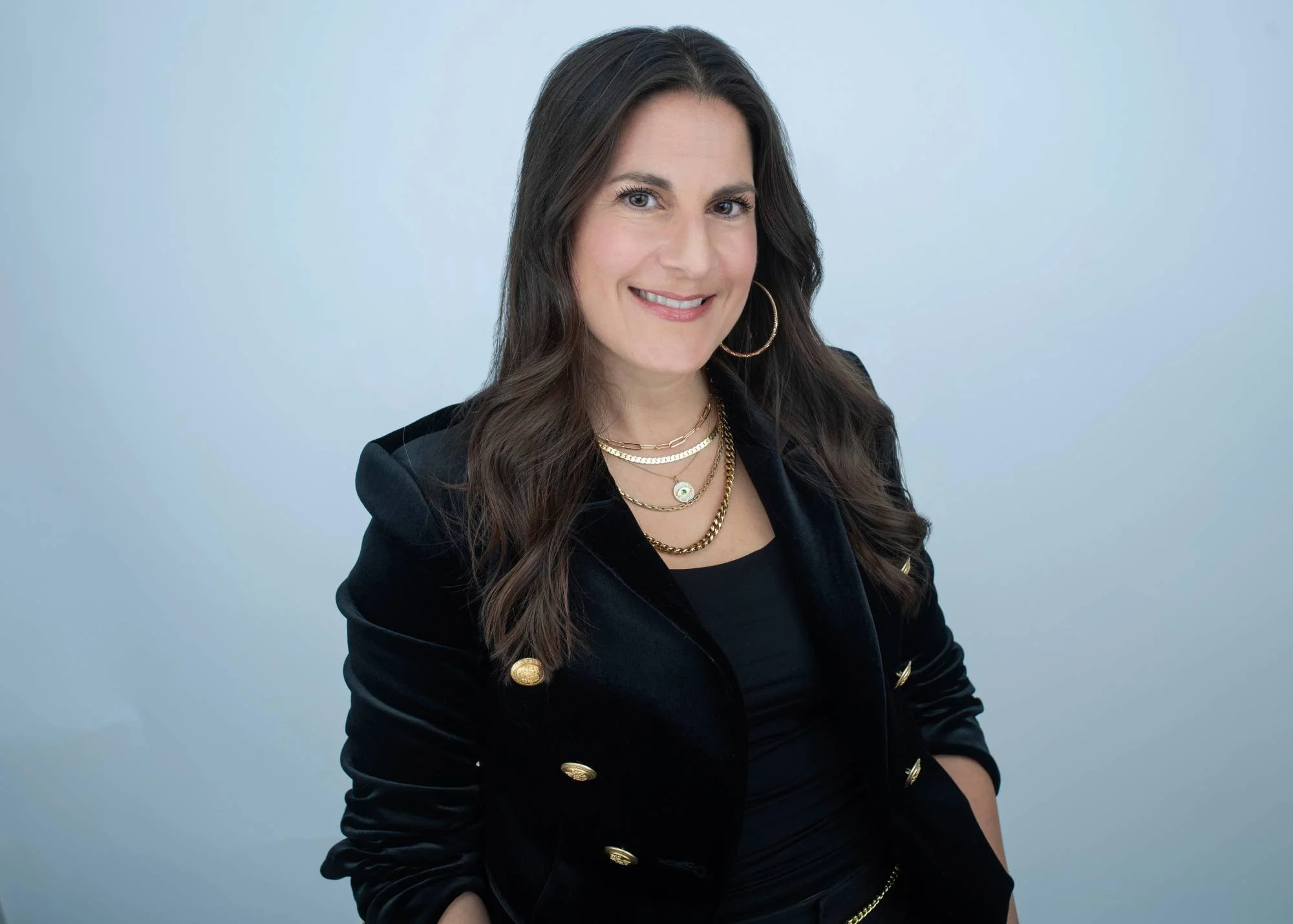
About Naomi
Before private practice, I spent eight years providing counselling at one of the country’s most diverse university campuses. Those years taught me a deep respect for working across different identities, backgrounds, and life experiences without assumptions. As many mental health issues emerge during young adulthood, I also learned how to identify serious mental health issues and collaborate with other health care workers, how to assess risk, and how to intervene in a crisis - skills I still carry with me. Following that experience I worked in a couple group Psychology practices in Toronto before starting my own private practice in 2018.
Many of my clients work with me over years, starting with weekly or biweekly sessions for the issue that brought them in, then moving to monthly check-ins and then stretched out to longer. My door stays open to clients, and so they often come back for extra support when something big happens or they just want to connect. It has been my privilege to move through life's most significant moments with many of my clients: graduations, engagements, weddings, death of loved ones, infertility and pregnancy, parenting, illness, career changes, divorce, betrayal.
Some clients need or prefer shorter-term, more focused work, and that's just as welcome. We will do a brief “life history” during our first session so that we have a shared foundation of some of the important things that have happened in your life. Then we’ll dive into the things that are creating challenge for you and work together to build skills and find relief.
What to Expect

Free video consultation
We'll meet on a video call for about 20 minutes. I'll ask a bit about what's bringing you to therapy right now, and you can ask me about how I work, what sessions look like, or anything else you’re curious about. By the end, you may have a sense of whether this feels right, or you may take a day or two to consider whether you want to move forward. Either way is welcome.

Your first appointment
Before we meet, you'll fill out an intake form. In our first session together, we'll do what I call a "life history," where you tell me about your childhood, family, and background, so we have shared context for everything we talk about after. From there, I'll guide our sessions together with you, checking in on what feels most important to focus on each time.

Ongoing work
Progress looks different for everyone, but often it shows up as setting a boundary you wouldn't have before, noticing you're speaking to yourself with more kindness, or realizing the anxious or OCD thoughts don't have the same grip they used to. It's rarely dramatic. It's usually quiet and cumulative, and then one day you notice how far you've come.
What’s the Next Step?
You'll hopefully have a sense of me pretty quickly. That's why I do consultations over video instead of just a form or a quick email exchange, so you actually get a feel for me and how I work.
My clients tell me it's less about anything I say and more of a feeling, that they felt comfortable and safe with me from the outset. If you think we may be a good fit, I encourage you to book your free 20-minute video consultation today.